|
Type
|
Reference
|
Content
|
|
web
|
snomed.info
|
SNOMED CT: 373066001
(Yes)
|
|
web
|
snomed.info
|
SNOMED CT: 373067005
(No)
|
|
web
|
snomed.info
|
SNOMED CT: 373066001
(Ja)
|
|
web
|
snomed.info
|
SNOMED CT: 373067005
(Nein)
|
|
web
|
www.netzwerk-universitaetsmedizin.de
|

|
|
web
|
github.com
|
Konformität
|
|
web
|
github.com
|
Konformität
|
|
web
|
github.com
|
Allgemeine Anforderungen
|
|
web
|
github.com
|
Must Support
|
|
web
|
www.medizininformatik-initiative.de
|
IG © 2025+ Medizininformatik-Initiative
.
Package de.medizininformatikinitiative.kerndatensatz.pros#2027.0.0-ballot.1 basiert auf FHIR 4.0.1
.
Erstellt 2026-09-11
Links: Inhaltsverzeichnis |
QA-Bericht
| netzwerk-universitaetsmedizin.de
| medizininformatik-initiative.de
| Impressum
HL7®, FHIR® and the FHIR flame design are registered trademarks of Health Level Seven International. Their use does not constitute endorsement by HL7.
|
|
web
|
www.netzwerk-universitaetsmedizin.de
|
Links: Inhaltsverzeichnis
|
QA-Bericht
| netzwerk-universitaetsmedizin.de
| medizininformatik-initiative.de
| Impressum
HL7®, FHIR® and the FHIR flame design are registered trademarks of Health Level Seven International. Their use does not constitute endorsement by HL7.
|
|
web
|
www.medizininformatik-initiative.de
|
Links: Inhaltsverzeichnis
|
QA-Bericht
| netzwerk-universitaetsmedizin.de
| medizininformatik-initiative.de
| Impressum
HL7®, FHIR® and the FHIR flame design are registered trademarks of Health Level Seven International. Their use does not constitute endorsement by HL7.
|
|
web
|
www.netzwerk-universitaetsmedizin.de
|
Links: Inhaltsverzeichnis
|
QA-Bericht
| netzwerk-universitaetsmedizin.de
| medizininformatik-initiative.de
| Impressum
HL7®, FHIR® and the FHIR flame design are registered trademarks of Health Level Seven International. Their use does not constitute endorsement by HL7.
|
|
web
|
github.com
|
Woher die Versionen kommen.
Jedes Paket der Tabelle ist direkt in
sushi-config.yaml
( dependencies:
) gepinnt — auch hl7.terminology.r4
(THO) und
hl7.fhir.uv.extensions.r4
, und diese beiden mit Bedacht: Die
Automatik des IG Publishers
liest ausschließlich die eigene
Abhängigkeitsliste dieses Leitfadens;
ohne direkten Pin würde jeder Build stillschweigend das jeweils aktuellste
THO-/Extensions-Release injizieren — eine allein im MII-Meta-Paket gepinnte
Version kann den Build nicht steuern (verifiziert im Publisher-Quellcode des
gepinnten Release). Eine wöchentliche Prüfung warnt, wenn diese beiden Pins
von den Vorgaben des gepinnten Meta-Pakets abweichen; die von einem
konkreten Build verwendeten Versionen stehen in dessen qa-versions.json
.
|
|
web
|
www.iso.org
|
ISO maintains the copyright on the country codes, and controls its use carefully. For further details see the ISO 3166 web page: https://www.iso.org/iso-3166-country-codes.html
Show Usage
-
ISO 3166-1 Codes for the representation of names of countries and their subdivisions — Part 1: Country code
: ConceptMap/mii-cm-pro-gad-7-linkids
, ConceptMap/mii-cm-pro-phq-9-linkid-migration
... Show 104 more
, MII_CPS_PRO_CapabilityStatement, MII_CS_PRO_BDI_BDI2_AnswerList, MII_CS_PRO_DASS_21, MII_CS_PRO_EORTC_QLQ_C30, MII_CS_PRO_EQ_5D_ValueSet, MII_CS_PRO_ISR_Z_Answers, MII_CS_PRO_LOINC_Supplement, MII_CS_PRO_MIDOS2, MII_CS_PRO_PHQ_15_Answers, MII_CS_PRO_PRO_CTCAE, MII_CS_PRO_Questionnaire_Catalogue, MII_CS_PRO_SSD_12_Answers, MII_CS_PRO_Score_Catalogue, MII_CS_PRO_WHODAS_12, MII_EX_PRO_Score_Score_Health_Correlation, MII_IG_PRO, MII_LM_PRO, MII_PR_PRO_Depression_T_Score, MII_PR_PRO_Observation_BDI_II, MII_PR_PRO_Observation_EQ5D5L_Index, MII_PR_PRO_Observation_EQ5D5L_Profile, MII_PR_PRO_Observation_EQ5D5L_VAS, MII_PR_PRO_Observation_PHQ_15, MII_PR_PRO_Observation_PHQ_9, MII_PR_PRO_Observation_WHODAS_12, MII_PR_PRO_PROMIS_29_Anxiety_TScore, MII_PR_PRO_PROMIS_29_Depression_TScore, MII_PR_PRO_PROMIS_29_Fatigue_TScore, MII_PR_PRO_PROMIS_29_Pain_Intensity, MII_PR_PRO_PROMIS_29_Pain_Interference_TScore, MII_PR_PRO_PROMIS_29_Physical_Function_TScore, MII_PR_PRO_PROMIS_29_Sleep_Disturbance_TScore, MII_PR_PRO_PROMIS_29_Social_Function_TScore, MII_PR_PRO_PROMIS_Cognitive_Function_SF4a_Raw_Score, MII_PR_PRO_PROMIS_Cognitive_Function_SF4a_TScore, MII_PR_PRO_PROMIS_Depression_SF4a_Raw_Score, MII_PR_PRO_Questionnaire, MII_PR_PRO_QuestionnaireResponse, MII_PR_PRO_Questionnaire_Capabilities, MII_PR_PRO_Score_Blueprint, MII_PR_PRO_Score_Instance, MII_QST_PRO_MIDOS_MIDOS2, MII_QST_PRO_PRO_CTCAE_Breast_DE, MII_QST_PRO_PRO_CTCAE_Onkologisches_Basisscreening, MII_SP_PRO_ObservationDefinition_Code, MII_SP_PRO_ObservationDefinition_PermittedDataType, MII_SP_PRO_ObservationDefinition_PreferredReportName, MII_SP_PRO_ObservationDefinition_QualifiedInterval_Category, MII_SP_PRO_ObservationDefinition_QuantitativeDetails_Unit, MII_SP_PRO_ObservationDefinition_ScoreHealthCorrelation, MII_SP_PRO_Questionnaire_Capabilities, MII_VS_PRO_BDI_BDI2_AnswerListLong, MII_VS_PRO_BDI_BDI2_AnswerListShort, MII_VS_PRO_DASS_21_Answer_List, MII_VS_PRO_EORTC_QLQ_C30_Scale_4pt, MII_VS_PRO_EORTC_QLQ_C30_Scale_7pt, MII_VS_PRO_EORTC_QLQ_C30_Scale_Role, MII_VS_PRO_ISR_Z_Answers, MII_VS_PRO_MIDOS2_Severity, MII_VS_PRO_MIDOS2_Wellbeing, MII_VS_PRO_PHQ9_AnswerList_LL3583, MII_VS_PRO_PHQ9_AnswerList_LL3591, MII_VS_PRO_PHQ_15_Answers, MII_VS_PRO_PROMIS_Frequency_Response_Scale, MII_VS_PRO_PROMIS_Intensity_Response_Scale, MII_VS_PRO_PROMIS_Physical_Function_Response_Scale, MII_VS_PRO_PRO_CTCAE_Frequency, MII_VS_PRO_PRO_CTCAE_Frequency_Sexual, MII_VS_PRO_PRO_CTCAE_Interference, MII_VS_PRO_PRO_CTCAE_Presence, MII_VS_PRO_PRO_CTCAE_Presence_NA, MII_VS_PRO_PRO_CTCAE_Presence_Sexual, MII_VS_PRO_PRO_CTCAE_Severity, MII_VS_PRO_PRO_CTCAE_Severity_Radiation, MII_VS_PRO_PRO_CTCAE_Severity_Sexual, MII_VS_PRO_SSD_12_Answers, MII_VS_PRO_WHODAS_12_Answer_List, Questionnaire/mii-qst-pro-bdi-bdi2, Questionnaire/mii-qst-pro-ces-d, Questionnaire/mii-qst-pro-dass-dass21, Questionnaire/mii-qst-pro-eortc-qlq-c30, Questionnaire/mii-qst-pro-epds, Questionnaire/mii-qst-pro-euronet-soma, Questionnaire/mii-qst-pro-euroqol-eq5d5l-answer-coding, Questionnaire/mii-qst-pro-euroqol-eq5d5l-collectable, Questionnaire/mii-qst-pro-euroqol-eq5d5l-displayable, Questionnaire/mii-qst-pro-euroqol-eq5d5l-minimal, Questionnaire/mii-qst-pro-gad-7, Questionnaire/mii-qst-pro-hads, Questionnaire/mii-qst-pro-isr-z, Questionnaire/mii-qst-pro-k6, Questionnaire/mii-qst-pro-pc-ptsd, Questionnaire/mii-qst-pro-phq-15, Questionnaire/mii-qst-pro-phq-9, Questionnaire/mii-qst-pro-promis-16, Questionnaire/mii-qst-pro-promis-29, Questionnaire/mii-qst-pro-promis-29-de, Questionnaire/mii-qst-pro-promis-29-minimal, Questionnaire/mii-qst-pro-promis-cognitive-function-sf4a, Questionnaire/mii-qst-pro-promis-depression-sf4a, Questionnaire/mii-qst-pro-scoff, Questionnaire/mii-qst-pro-ssd-12, Questionnaire/mii-qst-pro-whodas-whodas12 and Questionnaire/mii-qst-pro-wi-7
|
|
web
|
ucum.org
|
The UCUM codes, UCUM table (regardless of format), and UCUM Specification are copyright 1999-2009, Regenstrief Institute, Inc. and the Unified Codes for Units of Measures (UCUM) Organization. All rights reserved. https://ucum.org/trac/wiki/TermsOfUse
Show Usage
-
Unified Code for Units of Measure (UCUM)
: Bundle/mii-exa-pro-bdi-ii-bundle
, Bundle/mii-exa-pro-eortc-qlq-c30-bundle
... Show 102 more
, Bundle/mii-exa-pro-phq-9-bundle, Bundle/mii-exa-pro-promis-29-bundle, Bundle/mii-exa-pro-promis-depression-sf4a-bundle, Observation/mii-exa-pro-bdi-ii-observation, Observation/mii-exa-pro-dass-dass21-score-anxiety-equiv, Observation/mii-exa-pro-dass-dass21-score-anxiety-raw, Observation/mii-exa-pro-dass-dass21-score-depression-equiv, Observation/mii-exa-pro-dass-dass21-score-depression-raw, Observation/mii-exa-pro-dass-dass21-score-stress-equiv, Observation/mii-exa-pro-dass-dass21-score-stress-raw, Observation/mii-exa-pro-eortc-qlq-c30-observation-ap, Observation/mii-exa-pro-eortc-qlq-c30-observation-cf, Observation/mii-exa-pro-eortc-qlq-c30-observation-co, Observation/mii-exa-pro-eortc-qlq-c30-observation-di, Observation/mii-exa-pro-eortc-qlq-c30-observation-dy, Observation/mii-exa-pro-eortc-qlq-c30-observation-ef, Observation/mii-exa-pro-eortc-qlq-c30-observation-fa, Observation/mii-exa-pro-eortc-qlq-c30-observation-fi, Observation/mii-exa-pro-eortc-qlq-c30-observation-nv, Observation/mii-exa-pro-eortc-qlq-c30-observation-pa, Observation/mii-exa-pro-eortc-qlq-c30-observation-pf, Observation/mii-exa-pro-eortc-qlq-c30-observation-ql, Observation/mii-exa-pro-eortc-qlq-c30-observation-rf, Observation/mii-exa-pro-eortc-qlq-c30-observation-sf, Observation/mii-exa-pro-eortc-qlq-c30-observation-sl, Observation/mii-exa-pro-gad-7-score, Observation/mii-exa-pro-isr-z-score, Observation/mii-exa-pro-pc-ptsd-score, Observation/mii-exa-pro-phq-15-observation, Observation/mii-exa-pro-phq-9-observation, Observation/mii-exa-pro-promis-depression-sf4a-raw-score, Observation/mii-exa-pro-promis-depression-sf4a-tscore, Observation/mii-exa-pro-promis-depression-tscore-from-bdi-ii-observation, Observation/mii-exa-pro-scoff-score, Observation/mii-exa-pro-ssd-12-score, Observation/mii-exa-pro-whodas12-score-simple-sum, Observation/mii-exa-pro-wi-7-score, ObservationDefinition/mii-obsdef-pro-depression-t-score, ObservationDefinition/mii-obsdef-pro-eortc-qlq-c30-ap, ObservationDefinition/mii-obsdef-pro-eortc-qlq-c30-cf, ObservationDefinition/mii-obsdef-pro-eortc-qlq-c30-co, ObservationDefinition/mii-obsdef-pro-eortc-qlq-c30-di, ObservationDefinition/mii-obsdef-pro-eortc-qlq-c30-dy, ObservationDefinition/mii-obsdef-pro-eortc-qlq-c30-ef, ObservationDefinition/mii-obsdef-pro-eortc-qlq-c30-fa, ObservationDefinition/mii-obsdef-pro-eortc-qlq-c30-fi, ObservationDefinition/mii-obsdef-pro-eortc-qlq-c30-nv, ObservationDefinition/mii-obsdef-pro-eortc-qlq-c30-pa, ObservationDefinition/mii-obsdef-pro-eortc-qlq-c30-pf, ObservationDefinition/mii-obsdef-pro-eortc-qlq-c30-ql, ObservationDefinition/mii-obsdef-pro-eortc-qlq-c30-rf, ObservationDefinition/mii-obsdef-pro-eortc-qlq-c30-sf, ObservationDefinition/mii-obsdef-pro-eortc-qlq-c30-sl, ObservationDefinition/mii-obsdef-pro-promis-29-anxiety-tscore, ObservationDefinition/mii-obsdef-pro-promis-29-depression-tscore, ObservationDefinition/mii-obsdef-pro-promis-29-fatigue-tscore, ObservationDefinition/mii-obsdef-pro-promis-29-pain-intensity, ObservationDefinition/mii-obsdef-pro-promis-29-pain-interference-tscore, ObservationDefinition/mii-obsdef-pro-promis-29-physical-function-tscore, ObservationDefinition/mii-obsdef-pro-promis-29-sleep-disturbance-tscore, ObservationDefinition/mii-obsdef-pro-promis-29-social-function-tscore, ObservationDefinition/mii-obsdef-pro-promis-cognitive-function-sf4a-raw-score, ObservationDefinition/mii-obsdef-pro-promis-cognitive-function-sf4a-tscore, ObservationDefinition/mii-obsdef-pro-score-bdi-ii, ObservationDefinition/mii-obsdef-pro-score-dass21-anxiety-equiv, ObservationDefinition/mii-obsdef-pro-score-dass21-anxiety-raw, ObservationDefinition/mii-obsdef-pro-score-dass21-depression-equiv, ObservationDefinition/mii-obsdef-pro-score-dass21-depression-raw, ObservationDefinition/mii-obsdef-pro-score-dass21-stress-equiv, ObservationDefinition/mii-obsdef-pro-score-dass21-stress-raw, ObservationDefinition/mii-obsdef-pro-score-eq5d5l-index, ObservationDefinition/mii-obsdef-pro-score-eq5d5l-vas, ObservationDefinition/mii-obsdef-pro-score-gad-7, ObservationDefinition/mii-obsdef-pro-score-isr-z, ObservationDefinition/mii-obsdef-pro-score-pc-ptsd, ObservationDefinition/mii-obsdef-pro-score-phq-15, ObservationDefinition/mii-obsdef-pro-score-phq-9, ObservationDefinition/mii-obsdef-pro-score-proctcae-acs, ObservationDefinition/mii-obsdef-pro-score-proctcae-composite-grade, ObservationDefinition/mii-obsdef-pro-score-scoff, ObservationDefinition/mii-obsdef-pro-score-ssd-12, ObservationDefinition/mii-obsdef-pro-score-whodas12-simple-sum, ObservationDefinition/mii-obsdef-pro-score-wi-7, Questionnaire/mii-qst-pro-bdi-bdi2, Questionnaire/mii-qst-pro-dass-dass21, Questionnaire/mii-qst-pro-euronet-soma, Questionnaire/mii-qst-pro-euroqol-eq5d5l-answer-coding, Questionnaire/mii-qst-pro-euroqol-eq5d5l-collectable, Questionnaire/mii-qst-pro-euroqol-eq5d5l-displayable, Questionnaire/mii-qst-pro-euroqol-eq5d5l-minimal, Questionnaire/mii-qst-pro-gad-7, Questionnaire/mii-qst-pro-isr-z, Questionnaire/mii-qst-pro-pc-ptsd, Questionnaire/mii-qst-pro-phq-15, Questionnaire/mii-qst-pro-phq-9, Questionnaire/mii-qst-pro-promis-29, Questionnaire/mii-qst-pro-promis-29-de, Questionnaire/mii-qst-pro-promis-depression-sf4a, Questionnaire/mii-qst-pro-scoff, Questionnaire/mii-qst-pro-ssd-12, Questionnaire/mii-qst-pro-whodas-whodas12 and Questionnaire/mii-qst-pro-wi-7
|
|
web
|
github.com
|
Expansionsparameter sind Query-Parameter, die an eine ValueSet
-
$expand
-Operation übergeben werden können, um zu steuern, wie das ValueSet
expandiert wird — also wie die vollständige Liste der Codes aus der
ValueSet-Definition erzeugt wird. Die für diesen IG verwendeten
IG-Parameter
sind in
sushi-config.yaml
( parameters:
) deklariert. Ein Modul, das seine Expansionsparameter über ein
CRMI-Manifest pinnt, verlinkt hier zusätzlich die generierte
Parameters
-Ressource (siehe die auskommentierten Manifest-Blöcke in
sushi-config.yaml
und die Seite Metadata Overview, sofern das Modul sie
behält).
|
|
web
|
hl7.me
|
NLM Forms Library
|
|
web
|
hl7.me
|
NLM Forms Library
|
|
web
|
hl7.me
|
NLM Forms Library
|
|
web
|
hl7.me
|
NLM Forms Library
|
|
web
|
hl7.me
|
NLM Forms Library
|
|
web
|
hl7.me
|
NLM Forms Library
|
|
web
|
hl7.me
|
NLM Forms Library
|
|
web
|
hl7.me
|
NLM Forms Library
|
|
web
|
hl7.me
|
NLM Forms Library
|
|
web
|
hl7.me
|
NLM Forms Library
|
|
web
|
hl7.me
|
NLM Forms Library
|
|
web
|
hl7.me
|
NLM Forms Library
|
|
web
|
hl7.me
|
NLM Forms Library
|
|
web
|
hl7.me
|
NLM Forms Library
|
|
web
|
hl7.me
|
NLM Forms Library
|
|
web
|
hl7.me
|
NLM Forms Library
|
|
web
|
hl7.me
|
NLM Forms Library
|
|
web
|
hl7.me
|
NLM Forms Library
|
|
web
|
hl7.me
|
NLM Forms Library
|
|
web
|
hl7.me
|
NLM Forms Library
|
|
web
|
hl7.me
|
NLM Forms Library
|
|
web
|
hl7.me
|
NLM Forms Library
|
|
web
|
hl7.me
|
NLM Forms Library
|
|
web
|
hl7.me
|
NLM Forms Library
|
|
web
|
hl7.me
|
NLM Forms Library
|
|
web
|
hl7.me
|
NLM Forms Library
|
|
web
|
hl7.me
|
NLM Forms Library
|
|
web
|
hl7.me
|
NLM Forms Library
|
|
web
|
hl7.me
|
NLM Forms Library
|
|
web
|
hl7.me
|
NLM Forms Library
|
|
web
|
snomed.info
|
SNOMED CT Concept Domain Binding
|
|
web
|
github.com
|
Details und offene Entscheidungen: PR #129
.
|
|
web
|
mii-termserv.de
|
Wichtig:
CodeSystem-Ressourcen externer Terminologien (z. B. ICD-10-GM, OPS,
SNOMED CT) werden in diesem Modul nicht
publiziert, sondern über den
zentralen KDS-Terminologieserver (SU-TermServ) bezogen:
https://mii-termserv.de/
.
|
|
web
|
www.healthmeasures.net
|
PROMIS Score Converter
|
|
web
|
art-decor.org
|
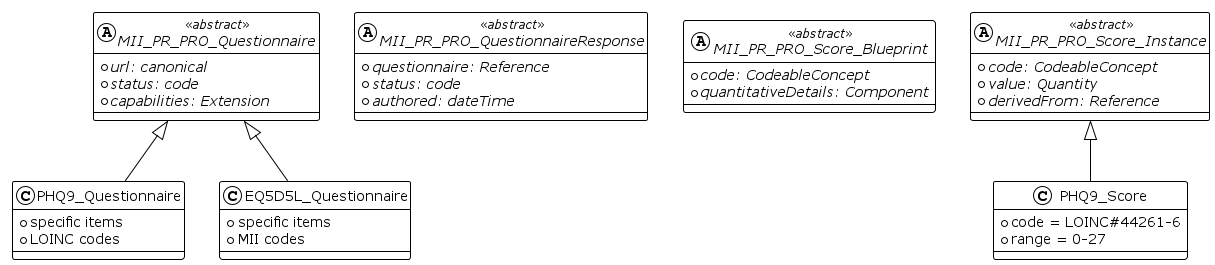
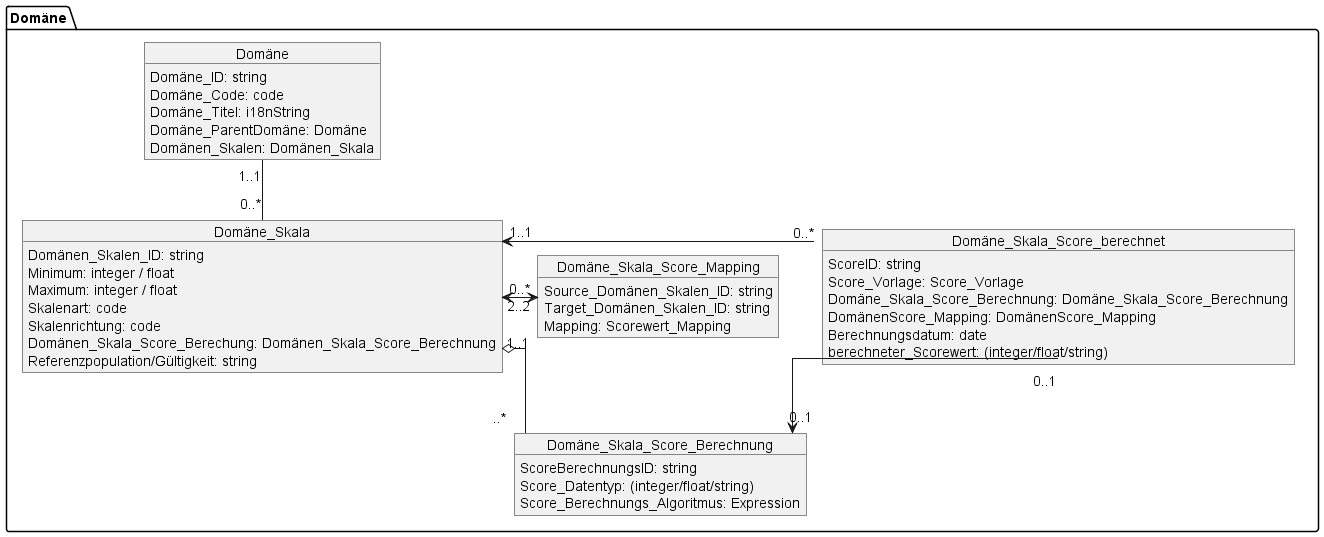
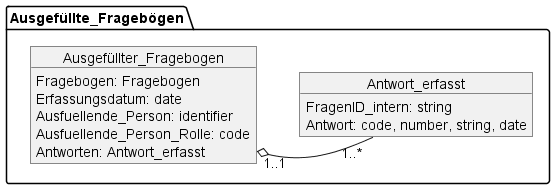
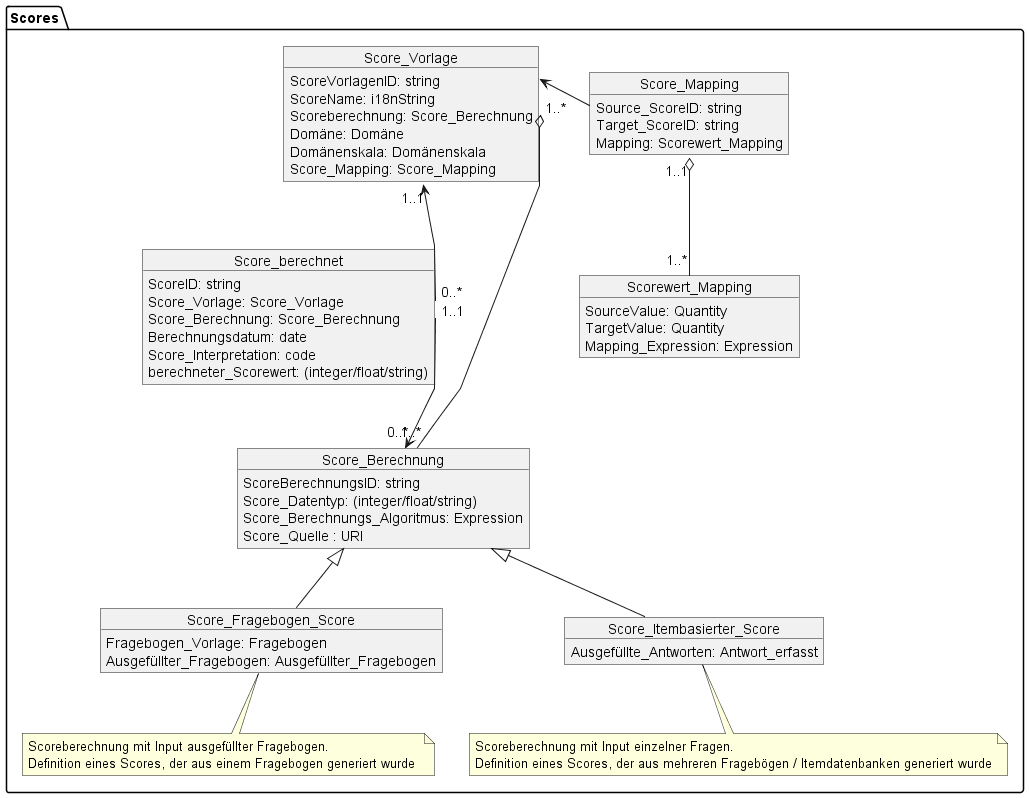
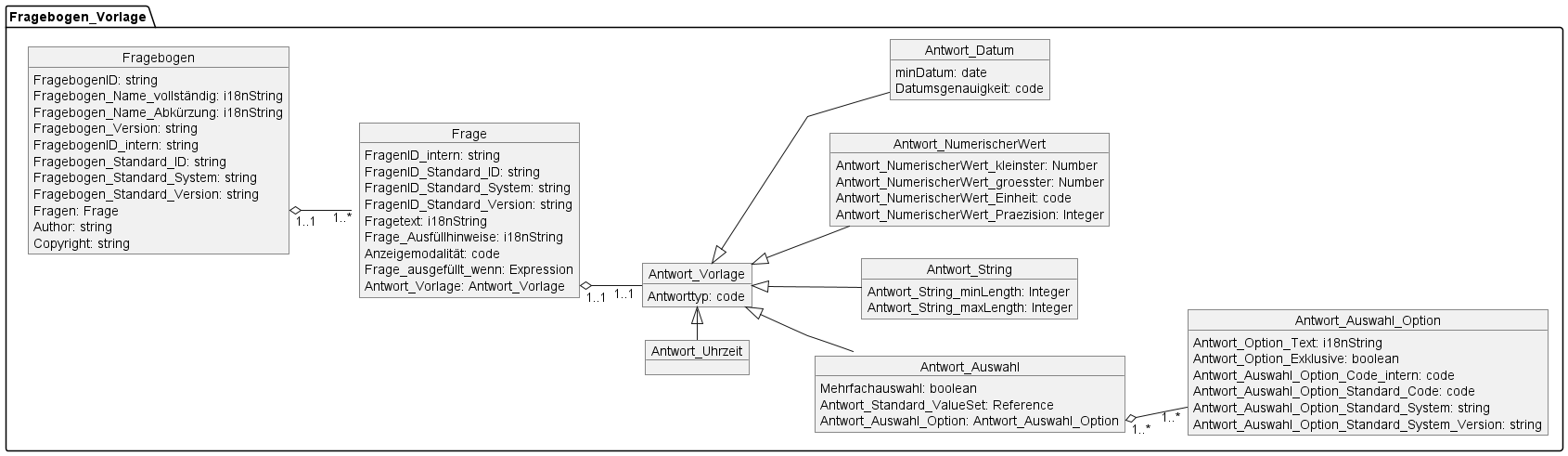
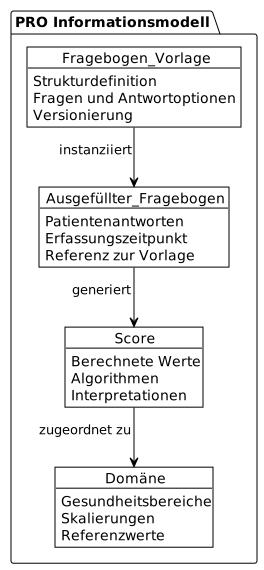
Die offiziell beschlossene Version des Informationsmodells befindet sich auf Art-Decor
. Zur Vereinheitlichung der Repräsentation wurde das Informationsmodell zusätzlich als FHIR Logical Model abgebildet:
|
|
web
|
doi.org
|
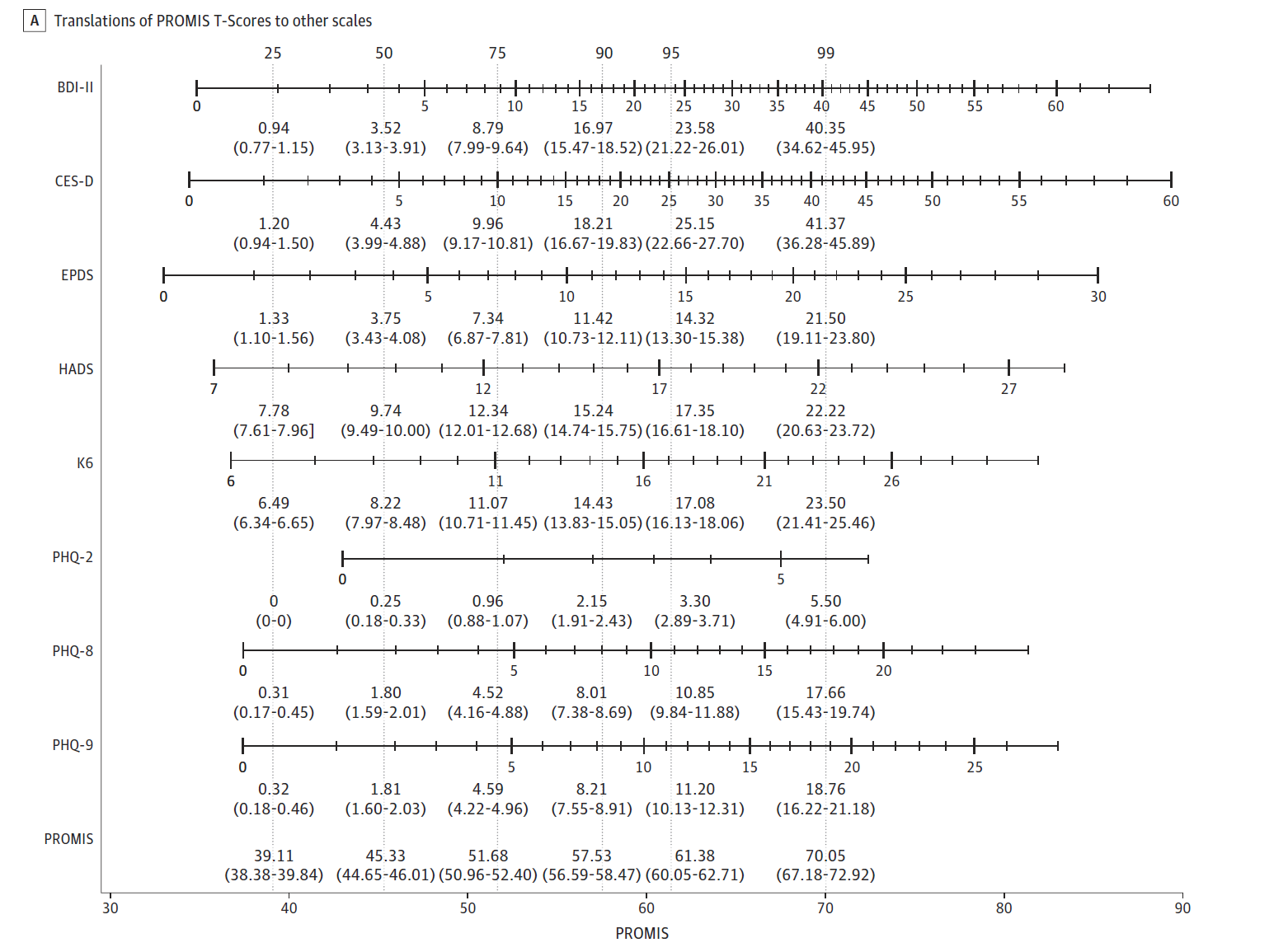
Riazy et al. (2025) liefern umfassende Referenzdaten aus 29 europäischen Ländern für 6 häufig verwendete Depressionsinstrumente ( JAMA Netw Open 2025
):
|
|
web
|
www.jclinepi.com
|
Neue validierte Crosswalks (2025):
Oerlemans et al. haben umfassende Crosswalks zwischen EORTC QLQ-C30 und PROMIS entwickelt ( J Clin Epidemiol 2025
):
|
|
web
|
www.eortc.org
|
Fayers PM, et al.
(2001)
The EORTC QLQ-C30 Scoring Manual (3rd Edition)
European Organisation for Research and Treatment of Cancer, Brussels
https://www.eortc.org/app/uploads/sites/2/2018/02/SCmanual.pdf
|
|
web
|
qol.eortc.org
|
EORTC QLQ-C30 Official
|
|
web
|
www.eortc.org
|
Scoring Manual
|
|
web
|
doi.org
|
https://doi.org/10.1016/j.jad.2017.08.060
|
|
web
|
euroqol.org
|
Der EQ-5D-5L ist eine Weiterentwicklung des EQ-5D-3L aus dem Jahr 2009. Siehe https://euroqol.org/information-and-support/euroqol-instruments/eq-5d-5l/
.
|
|
web
|
euroqol.org
|
Der EQ-5D-5L ist für nichtkommerzielle Zwecke nach Registrierung ohne zusätzliche Lizenzkosten nutzbar. Dies betrifft sowohl den Einsatz in klinischen Studien als auch der Krankenversorgung. Siehe die EQ-5D User License Policy
.
|
|
web
|
euroqol.org
|
Handbuch: https://euroqol.org/wp-content/uploads/2025/01/EQ-5D-5LUserguide-23-07.pdf
|
|
web
|
github.com
|
Datensätze und Beschreibungen
— die Datenelemente
des Moduls, beschrieben als logische Modelle. (Dieser Eintrag teilt sein Ziel
mit Artefakte → Logische Modelle
; keiner der Anker der Artefakt-Übersicht
ist als Linkziel nutzbar — siehe
docs/page-structure.md
in diesem Repository.)
|
|
web
|
github.com
|
Für die KDS-weiten Konformitätsanforderungen siehe die
Konformitätsregeln des Meta-Moduls
;
für die technischen Artefakte siehe Profile
.
|
|
web
|
github.com
|
Konformität
— die KDS-weiten Regeln (Anforderungssprache, Must Support, fehlende Daten) pflegt zentral das Meta-Modul
; die modulspezifischen Überlegungen zu Sicherheit und Datenschutz
sind Teil dieses Leitfadens.
|
|
web
|
github.com
|
Feedback und Fragen: über das GitHub-Repository
oder die MII-Kanäle.
|
|
web
|
github.com
|
Die folgenden CRMI-Metadaten werden in
sushi-config.yaml
gesetzt und landen in der erzeugten ImplementationGuide
-Ressource.
|
|
web
|
github.com
|
Veröffentlicht ein Modul CodeSystem-Supplements, ist zu beachten: Das
CRMI-Profil ShareableCodeSystem
verlangt CodeSystem.caseSensitive
, während
die FHIR-Validierung warnt, dass ein Supplement caseSensitive
nicht erneut
angeben sollte, weil das dem ergänzten CodeSystem widersprechen könnte.
kerndatensatz-basis
beansprucht deshalb bei Supplements nur das Publishable
-CRMI-Profil und lässt
das Shareable-Profil weg.
|
|
web
|
www.go-fair.org
|
Die FAIR-Prinzipien
beschreiben
Ziele dafür, digitale Objekte auffindbar (Findable), zugänglich (Accessible),
interoperabel (Interoperable) und wiederverwendbar (Reusable) zu machen. Dieser
Abschnitt ist eine informative Selbsteinschätzung, wie die CRMI-Metadaten dieses
Leitfadens eine FAIR-konforme Veröffentlichung von FHIR-Spezifikationsartefakten
unterstützen.
|
|
web
|
github.com
|
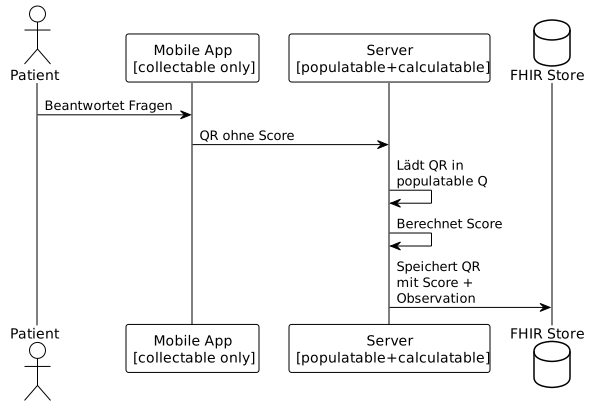
Das Konzept ist nicht nur Papier: Zwei BIH-CEI-Prototyp-Repositories implementieren den Schichtenschnitt für den PHQ-9 bereits Ende-zu-Ende —
pro-library
(die Inhaltsschicht) und
fhir-sdc-questionnaire-service
(die Diensteschicht, ein SDC- Form-Manager
).
|
|
web
|
github.com
|
Das Konzept ist nicht nur Papier: Zwei BIH-CEI-Prototyp-Repositories implementieren den Schichtenschnitt für den PHQ-9 bereits Ende-zu-Ende —
pro-library
(die Inhaltsschicht) und
fhir-sdc-questionnaire-service
(die Diensteschicht, ein SDC- Form-Manager
).
|
|
web
|
doi.org
|
Quelle: Edelen et al. 2024
– PROMIS®-16: development and preliminary psychometric evaluation
(Qual Life Res, doi:10.1007/s11136-023-03597-6
)
|
|
web
|
doi.org
|
Referenz Score-Methodik: Dewitt B, Feeny D, Fischhoff B, et al. Estimation of a Preference-Based Summary Score for PROMIS: The PROMIS®-Preference (PROPr) Scoring System.
Med Decis Making. 2018;38(6):683-698. doi:10.1177/0272989X18776637
|
|
web
|
cpcor.charite.de
|
Für die institutionelle Implementierung außerhalb des PCOR-MII-Kontexts ist eine Nutzungsanfrage bei CPCOR erforderlich
:
https://cpcor.charite.de/promis_national_center_deutschland/nutzungsanfragen
|
|
web
|
doi.org
|
Edelen MO, Rodriguez A, Herman P, Hays RD. PROMIS®-16: development and preliminary psychometric evaluation of the next generation PROMIS® short form set.
Qual Life Res. 2024. doi:10.1007/s11136-023-03597-6
|
|
web
|
www.healthmeasures.net
|
PROMIS Official Site
|
|
web
|
cpcor.charite.de
|
PROMIS National Center Deutschland (CPCOR)
|
|
web
|
doi.org
|
German PROMIS Validation
|
|
web
|
www.healthmeasures.net
|
Das Patient-Reported Outcomes Measurement Information System (PROMIS)
ist ein vom US National Institute of Health (NIH) entwickeltes, IRT-basiertes Messsystem zur standardisierten Erfassung patientenberichteter Outcomes. PROMIS-Instrumente sind international validiert und liefern T-Scores (Mean=50, SD=10 der US-Normalbevölkerung), die instrument- und populationsübergreifend vergleichbar sind.
|
|
web
|
cpcor.charite.de
|
→ https://cpcor.charite.de/promis_national_center_deutschland/nutzungsanfragen
|
|
web
|
cpcor.charite.de
|
CPCOR: https://cpcor.charite.de/
|
|
web
|
health-outcomes-observatory.eu
|
H2O: https://health-outcomes-observatory.eu/
|
|
web
|
www.ichom.org
|
ICHOM: https://www.ichom.org/
|
|
web
|
www.pcori.org
|
PCORI: https://www.pcori.org/
|
|
web
|
www.eortc.org
|
EORTC: https://www.eortc.org/
|
|
web
|
euroqol.org
|
EuroQol: https://euroqol.org/
|
|
web
|
promis-international.org
|
PROMIS International: http://promis-international.org/
|
|
web
|
promis-germany.de
|
PROMIS Deutschland: https://promis-germany.de/
|
|
web
|
www.medizininformatik-initiative.de
|
Das
übergreifende Datenschutzkonzept der Medizininformatik-Initiative
regelt, wie Patientendaten über das Netz der Datenintegrationszentren hinweg
für die Forschung verarbeitet werden
dürfen: die Rechtsgrundlage (der Broad Consent der MII), die Rollen der
Datenintegrationszentren und der Use-&-Access-Committees sowie die
standortübergreifenden Anwendungsszenarien (Machbarkeitsanfragen, verteilte
Analysen, Daten- und Bioproben-Bereitstellung). Alles, was dieses Modul
spezifiziert, bewegt sich innerhalb dieses Rahmens — dieser Leitfaden fügt
keinen eigenen Verarbeitungszweck hinzu.
|
|
web
|
medizininformatik-initiative.github.io
|
Wie Daten, die ein Datenintegrationszentrum verlassen, praktisch
de-identifiziert werden, spezifiziert
DIMP (De-Identification — Minimisation — Pseudonymisation)
in der Dokumentation des Datenportals: direkte Identifikatoren werden
entfernt, vom genehmigten Projekt nicht benötigte Datenelemente entfallen, und
identifizierende Werte werden durch projektspezifische Pseudonyme ersetzt
(FHIR-Pseudonymizer-Konfiguration). Die Profile dieses Moduls beschreiben die
Daten vor
Anwendung von DIMP; welche Elemente eine konkrete
Datenbereitstellung erreicht, entscheidet je Projekt die DIMP-Konfiguration,
nicht dieser Leitfaden.
|
|
web
|
github.com
|
Übersetzungsdateien werden in input/translations/de/
gepflegt. Um Übersetzungen beizutragen oder zu verbessern, erstellen Sie bitte einen Pull Request im GitHub-Repository
.
|
|
web
|
github.com
|
Das vollständige Informationsmodell kann im Github-Repository
betrachtet werden.
|
|
web
|
art-decor.org
|
Art-Decor
wurde genutzt, um eine grundsätzliche Modellierung des Datensatzes zu erreichen. In einem weiteren Schritt wurden UML-Diagramme erstellt und um weitere relevante Datenpunkte ergänzt. Achtung: Die Darstellung von verschiedenen Sprachen in einem Fragebogen ist derzeit nicht im Informationsmodell enthalten.
|
|
web
|
www.gesetze-im-internet.de
|
Dieses MII KDS-Modul bezieht sich auf die Verwendung von PROs und PROMs im Forschungskontext. Wir freuen uns, mit unserer Spezifikationen Vorarbeiten für eine Erhebung und Austausch von PROM-Daten in der breiten Versorgungspraxis zu ermöglichen. Dabei ist jedoch zu beachten, dass die Berechnung von Scores in Software dem Medizinproduktegesetz (MPG)
unterliegen können.
|
|
web
|
github.com
|
SNOMED CT
dient der Identifikation von Instrumenten
—
Assessment-Scale-Konzepte wie 273446001
(EORTC QLQ-C30) oder 273524006
(HADS) — nicht den Antwortskalen. Edition und Version folgen der KDS-weiten
Terminology Version Policy
des Meta-Moduls; dieses Modul pinnt keine eigene SNOMED-Edition.
Expansionsparameter sind zentral über das
Expansion-Manifest
des Moduls
fixiert.
|
|
web
|
github.com
|
Releases folgen dem
Module Release Workflow
:
Die Version wird im Release-Branch angehoben, der Changelog-Eintrag geschrieben,
die Validierungs-Workflows laufen auf dem Release-Pull-Request, und nach dem
Merge wird das Release getaggt.
|
|
web
|
www.netzwerk-universitaetsmedizin.de
|

|
|
web
|
github.com
|
Conformance
|
|
web
|
github.com
|
Conformance
|
|
web
|
github.com
|
General Requirements
|
|
web
|
www.medizininformatik-initiative.de
|
IG © 2025+ Medizininformatik-Initiative
.
Package de.medizininformatikinitiative.kerndatensatz.pros#2027.0.0-ballot.1 based on FHIR 4.0.1
.
Generated 2026-09-11
Links: Table of Contents |
QA Report
| netzwerk-universitaetsmedizin.de
| medizininformatik-initiative.de
| Legal notice
HL7®, FHIR® and the FHIR flame design are registered trademarks of Health Level Seven International. Their use does not constitute endorsement by HL7.
|
|
web
|
www.netzwerk-universitaetsmedizin.de
|
Links: Table of Contents
|
QA Report
| netzwerk-universitaetsmedizin.de
| medizininformatik-initiative.de
| Legal notice
HL7®, FHIR® and the FHIR flame design are registered trademarks of Health Level Seven International. Their use does not constitute endorsement by HL7.
|
|
web
|
www.medizininformatik-initiative.de
|
Links: Table of Contents
|
QA Report
| netzwerk-universitaetsmedizin.de
| medizininformatik-initiative.de
| Legal notice
HL7®, FHIR® and the FHIR flame design are registered trademarks of Health Level Seven International. Their use does not constitute endorsement by HL7.
|
|
web
|
www.netzwerk-universitaetsmedizin.de
|
Links: Table of Contents
|
QA Report
| netzwerk-universitaetsmedizin.de
| medizininformatik-initiative.de
| Legal notice
HL7®, FHIR® and the FHIR flame design are registered trademarks of Health Level Seven International. Their use does not constitute endorsement by HL7.
|
|
web
|
github.com
|
Where the versions come from.
Every package in the table is pinned
directly in
sushi-config.yaml
( dependencies:
) — including hl7.terminology.r4
(THO) and
hl7.fhir.uv.extensions.r4
, and those two deliberately so: the IG
Publisher's
automatic-packages rule
consults only this guide's own
dependency list, so without a direct pin
every build would silently inject the latest THO/extensions release — a
version pinned by the MII meta package alone cannot control the build
(verified in the publisher source at the pinned release). A weekly check
warns when these two pins drift from what the pinned meta package ships,
and the exact versions a concrete build used are recorded in its
qa-versions.json
output.
|
|
web
|
github.com
|
Expansion parameters are query parameters that can be passed to a ValueSet
$expand
operation to control how the ValueSet is expanded — that is, how the
full list of codes is generated from the ValueSet definition. The
IG Parameters
used for this IG are declared in
sushi-config.yaml
( parameters:
). A module that pins its expansion parameters through a CRMI
manifest additionally links the generated Parameters
resource from here (see
the commented manifest blocks in sushi-config.yaml
and the Metadata Overview
page, if the module keeps it).
|
|
web
|
github.com
|
Details and open decisions: PR #129
.
|
|
web
|
mii-termserv.de
|
Important:
CodeSystem resources of external terminologies (e.g. ICD-10-GM,
OPS, SNOMED CT) are not
published in this module; they are obtained from the
central KDS terminology service (SU-TermServ):
https://mii-termserv.de/
.
|
|
web
|
art-decor.org
|
The officially approved version of the information model is available on Art-Decor
. For a unified representation, the information model has additionally been expressed as a FHIR Logical Model:
|
|
web
|
doi.org
|
Riazy et al. (2025) provide comprehensive reference data from 29 European countries for 6 frequently used depression instruments ( JAMA Netw Open 2025
):
|
|
web
|
www.jclinepi.com
|
Newly validated crosswalks (2025):
Oerlemans et al. developed comprehensive crosswalks between EORTC QLQ-C30 and PROMIS ( J Clin Epidemiol 2025
):
|
|
web
|
euroqol.org
|
The EQ-5D-5L is a further development of the EQ-5D-3L from 2009. See https://euroqol.org/information-and-support/euroqol-instruments/eq-5d-5l/
.
|
|
web
|
euroqol.org
|
The EQ-5D-5L is available for non-commercial purposes after registration without additional license fees. This applies to both use in clinical studies and healthcare. See the EQ-5D User License Policy
.
|
|
web
|
euroqol.org
|
User Guide: https://euroqol.org/wp-content/uploads/2025/01/EQ-5D-5LUserguide-23-07.pdf
|
|
web
|
github.com
|
Datasets and Descriptions
— the module's data
elements, described as logical models. (This entry shares its target with
Artifacts → Logical Models
; neither Artifacts-Summary anchor is usable as
a link target — see
docs/page-structure.md
in this repository.)
|
|
web
|
github.com
|
For the KDS-wide conformance requirements see the
Conformance rules of the Meta module
;
for the technical artifacts see Profiles
.
|
|
web
|
github.com
|
Conformance
— the KDS-wide rules (requirements language, Must Support, missing data) are maintained centrally by the Meta module
; module-specific Security and Privacy
considerations are part of this guide.
|
|
web
|
github.com
|
Feedback and questions: via the GitHub repository
or the MII channels.
|
|
web
|
github.com
|
The following CRMI-related metadata is set in
sushi-config.yaml
and ends up in the generated ImplementationGuide
resource.
|
|
web
|
github.com
|
Where a module publishes CodeSystem supplements, note that the CRMI
ShareableCodeSystem
profile requires CodeSystem.caseSensitive
, while FHIR
validation warns that a supplement should not restate caseSensitive
because
that could contradict the supplemented code system.
kerndatensatz-basis
therefore claims only the publishable
CRMI profile on supplements and omits
the shareable one.
|
|
web
|
www.go-fair.org
|
The FAIR principles
describe goals
for making digital objects Findable, Accessible, Interoperable and Reusable.
This section is an informative self-assessment of how the CRMI-based metadata of
this guide supports FAIR-aligned publication of FHIR specification artifacts.
|
|
web
|
github.com
|
The concept is not paper-only: two BIH-CEI prototype repositories already implement the layer cut end to end for PHQ-9 —
pro-library
(the content layer) and
fhir-sdc-questionnaire-service
(the service layer, an SDC Form Manager
).
|
|
web
|
github.com
|
The concept is not paper-only: two BIH-CEI prototype repositories already implement the layer cut end to end for PHQ-9 —
pro-library
(the content layer) and
fhir-sdc-questionnaire-service
(the service layer, an SDC Form Manager
).
|
|
web
|
doi.org
|
Source: Edelen et al. 2024
– PROMIS®-16: development and preliminary psychometric evaluation
(Qual Life Res, doi:10.1007/s11136-023-03597-6
)
|
|
web
|
doi.org
|
Score methodology reference: Dewitt B, Feeny D, Fischhoff B, et al. Estimation of a Preference-Based Summary Score for PROMIS: The PROMIS®-Preference (PROPr) Scoring System.
Med Decis Making. 2018;38(6):683-698. doi:10.1177/0272989X18776637
|
|
web
|
cpcor.charite.de
|
For institutional implementation outside the PCOR-MII context, a usage request to CPCOR is required
:
https://cpcor.charite.de/promis_national_center_deutschland/nutzungsanfragen
|
|
web
|
cpcor.charite.de
|
PROMIS National Center Germany (CPCOR)
|
|
web
|
www.healthmeasures.net
|
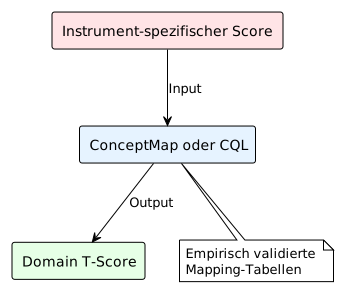
The Patient-Reported Outcomes Measurement Information System (PROMIS)
is an IRT-based measurement system developed by the US National Institutes of Health (NIH) for the standardized assessment of patient-reported outcomes. PROMIS instruments are internationally validated and yield T-Scores (Mean=50, SD=10 of the US general population) that are comparable across instruments and populations.
|
|
web
|
promis-germany.de
|
PROMIS Germany: https://promis-germany.de/
|
|
web
|
www.medizininformatik-initiative.de
|
The
overarching data protection concept of the Medical Informatics Initiative
governs how patient data may be processed for research across the network of
Data Integration Centers: it
covers the legal basis (the MII Broad Consent), the roles of the Data
Integration Centers and Use & Access Committees, and the cross-site application
scenarios (feasibility queries, distributed analyses, data and biosample
provision). Everything this module specifies operates inside that framework —
this guide adds no processing purpose of its own.
|
|
web
|
medizininformatik-initiative.github.io
|
How data leaving a Data Integration Center is de-identified in practice is
specified by
DIMP (De-Identification — Minimisation — Pseudonymisation)
in the data portal documentation: direct identifiers are removed,
data elements not needed by the approved project are dropped, and identifying
values are replaced by project-specific pseudonyms (FHIR Pseudonymizer
configuration). The profiles of this module describe data before
DIMP is
applied; which elements survive a concrete data release is decided per project
by the DIMP configuration, not by this guide.
|
|
web
|
github.com
|
Translation files are maintained in input/translations/de/
. To contribute or improve translations, please submit a pull request to the GitHub repository
.
|
|
web
|
github.com
|
The complete information model can be viewed in the GitHub repository
.
|
|
web
|
art-decor.org
|
Art-Decor
was used to achieve a basic modeling of the dataset. In a further step, UML diagrams were created and supplemented with additional relevant data points. Note: The representation of multiple languages within a single questionnaire is currently not included in the information model.
|
|
web
|
www.gesetze-im-internet.de
|
This MII Core Data Set module relates to the use of PROs and PROMs in the research context. We are glad to provide groundwork with our specifications for the collection and exchange of PROM data in broad clinical practice. However, it should be noted that the calculation of scores in software may be subject to the German Medical Devices Act (MPG)
.
|
|
web
|
github.com
|
SNOMED CT
is used to identify instruments
— assessment-scale concepts
such as 273446001
(EORTC QLQ-C30) or 273524006
(HADS) — not for answer
scales. The edition and version follow the KDS-wide
Terminology Version Policy
of the meta module; this module pins no SNOMED edition of its own. Expansion
parameters are pinned centrally via the module's
expansion manifest
.
|
|
web
|
github.com
|
Releases follow the
Module Release Workflow
:
the version is raised in the release branch, the changelog entry is written, the
validation workflows run on the release pull request, and the release is tagged
after the merge.
|