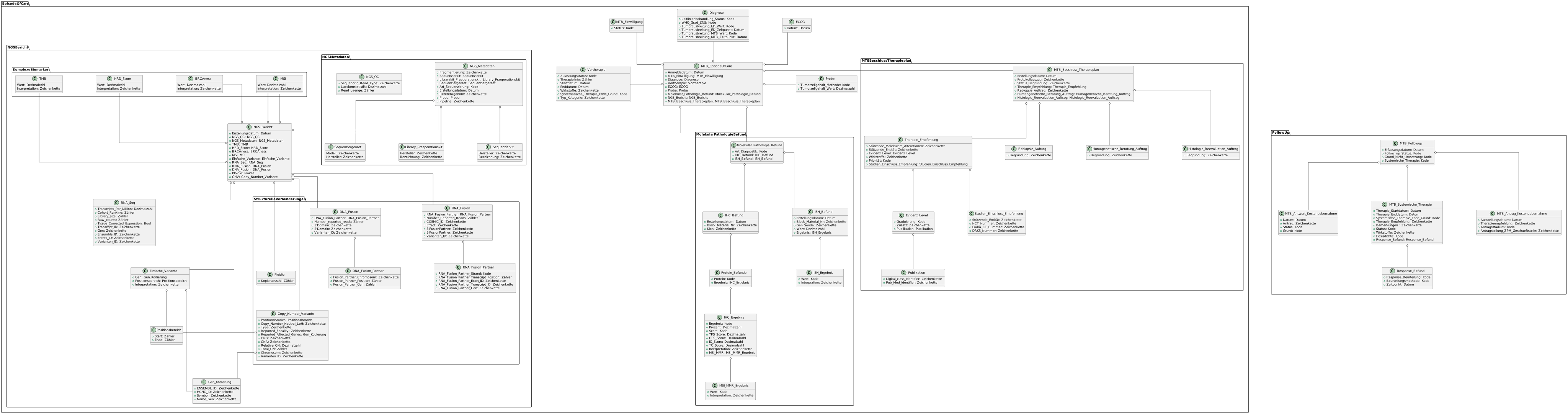
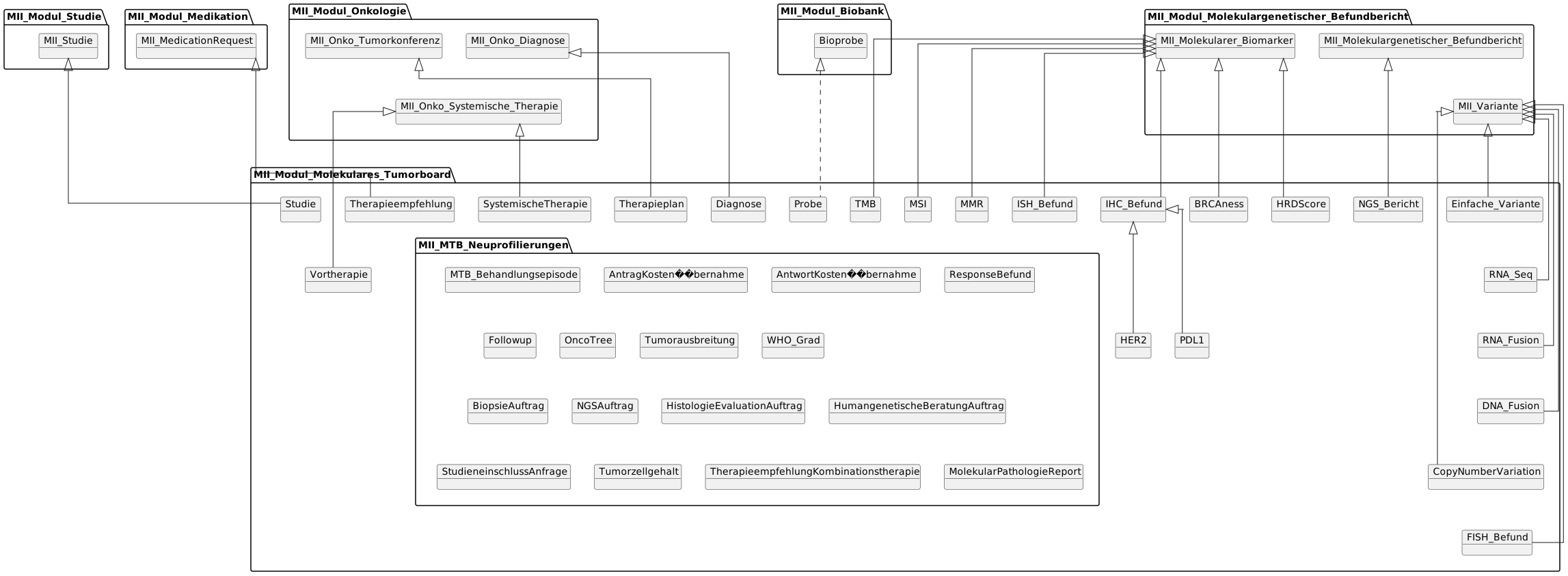
http://bwhc.de/mtb/genetics-copy-number-variant
http://data.mskcc.org/ontologies/oncotree
http://ihe-d.de/CodeSystems/FallkontextBeiDokumentenerstellung
http://ncicb.nci.nih.gov/xml/owl/EVS/Thesaurus.owl
http://standardterms.edqm.eu
http://varnomen.hgvs.org
http://www.genenames.org/geneId
http://www.ncbi.nlm.nih.gov/projects/SNP
http://www.orpha.net
http://www.uniprot.org
http://www.whocc.no/atc
https://cancer.sanger.ac.uk/cosmic
https://nih-ncpi.github.io/ncpi-fhir-ig/CodeSystem-ncit.html
https://www.medizininformatik-initiative.de/fhir/ext/modul-mtb/CodeSystem/mii-cs-mtb-antwort-kostenuebernahme-ablehnungsgrund
https://www.medizininformatik-initiative.de/fhir/ext/modul-mtb/CodeSystem/mii-cs-mtb-antwort-kostenuebernahme-entscheidung
https://www.medizininformatik-initiative.de/fhir/ext/modul-mtb/CodeSystem/mii-cs-mtb-auftrag-begruendung
https://www.medizininformatik-initiative.de/fhir/ext/modul-mtb/CodeSystem/mii-cs-mtb-bestimmungsmethode-tumorzellgehalt
https://www.medizininformatik-initiative.de/fhir/ext/modul-mtb/CodeSystem/mii-cs-mtb-empfehlung-evidenzgrad
https://www.medizininformatik-initiative.de/fhir/ext/modul-mtb/CodeSystem/mii-cs-mtb-follow-up-status
https://www.medizininformatik-initiative.de/fhir/ext/modul-mtb/CodeSystem/mii-cs-mtb-genomicanalysis-devicefunction
https://www.medizininformatik-initiative.de/fhir/ext/modul-mtb/CodeSystem/mii-cs-mtb-leitlinienbehandlung-status
https://www.medizininformatik-initiative.de/fhir/ext/modul-mtb/CodeSystem/mii-cs-mtb-molekulare-biomarker
https://www.medizininformatik-initiative.de/fhir/ext/modul-mtb/CodeSystem/mii-cs-mtb-msi-method-type
https://www.medizininformatik-initiative.de/fhir/ext/modul-mtb/CodeSystem/mii-cs-mtb-panel-capability
https://www.medizininformatik-initiative.de/fhir/ext/modul-mtb/CodeSystem/mii-cs-mtb-response-befund-beurteilung
https://www.medizininformatik-initiative.de/fhir/ext/modul-mtb/CodeSystem/mii-cs-mtb-response-befund-beurteilungsmethode
https://www.medizininformatik-initiative.de/fhir/ext/modul-mtb/CodeSystem/mii-cs-mtb-zulassungsstatus
https://www.medizininformatik-initiative.de/fhir/ext/modul-onko/CodeSystem/mii-cs-onko-allgemeiner-leistungszustand-ecog
https://www.medizininformatik-initiative.de/fhir/ext/modul-onko/CodeSystem/mii-cs-onko-intention
https://www.medizininformatik-initiative.de/fhir/ext/modul-onko/CodeSystem/mii-cs-onko-primaertumor-diagnosesicherung
https://www.medizininformatik-initiative.de/fhir/ext/modul-onko/CodeSystem/mii-cs-onko-residualstatus
https://www.medizininformatik-initiative.de/fhir/ext/modul-onko/CodeSystem/mii-cs-onko-therapie-ende-grund
https://www.medizininformatik-initiative.de/fhir/ext/modul-onko/CodeSystem/mii-cs-onko-therapie-stellungzurop
https://www.medizininformatik-initiative.de/fhir/ext/modul-onko/CodeSystem/mii-cs-onko-therapie-typ
https://www.medizininformatik-initiative.de/fhir/ext/modul-onko/CodeSystem/mii-cs-onko-therapieplanung-typ
https://www.medizininformatik-initiative.de/fhir/ext/modul-onko/CodeSystem/mii-cs-onko-verlauf-lymphknoten
https://www.medizininformatik-initiative.de/fhir/ext/modul-onko/CodeSystem/mii-cs-onko-verlauf-primaertumor
https://www.ncbi.nlm.nih.gov/refseq/
This fragment is available on en/ImplementationGuide-mii-ig-mtb.html
This publication includes IP covered under the following statements.
| Type | Reference | Content |
|---|---|---|
| web | snomed.info | SNOMED CT: 362956003 (Procedure/intervention (navigational concept)) |
| web | ensembl.org |
Versioned transcript reference sequence identifier
Binding: http://ensembl.org ( required ) |
| web | snomed.info | 1363313004 |
| web | snomed.info | 1303773004 |
| web | snomed.info | 787997001 |
| web | snomed.info | 787998006 |
| web | snomed.info | 58899004 |
| web | snomed.info | 255127006 |
| web | snomed.info | 128462008 |
| web | snomed.info | 261665006 |
| web | snomed.info | 396922003 |
| web | snomed.info | 396923008 |
| web | snomed.info | 396924002 |
| web | snomed.info | 396925001 |
| web | www.netzwerk-universitaetsmedizin.de |
|
| web | github.com | Konformität |
| web | github.com | Konformität |
| web | github.com | Allgemeine Anforderungen |
| web | github.com | Must-Support |
| web | github.com | Umgang mit fehlenden Daten |
| web | www.medizininformatik-initiative.de |
IG © 2024+ Medizininformatik-Initiative
.
Package de.medizininformatikinitiative.kerndatensatz.mtb#2027.0.0-ballot.1 basiert auf FHIR 4.0.1
.
Erstellt 2026-09-15
Links: Inhaltsverzeichnis | QA-Bericht | netzwerk-universitaetsmedizin.de | medizininformatik-initiative.de | Impressum HL7®, FHIR® and the FHIR flame design are registered trademarks of Health Level Seven International. Their use does not constitute endorsement by HL7. |
| web | www.netzwerk-universitaetsmedizin.de |
Links: Inhaltsverzeichnis
|
QA-Bericht
| netzwerk-universitaetsmedizin.de
| medizininformatik-initiative.de
| Impressum
HL7®, FHIR® and the FHIR flame design are registered trademarks of Health Level Seven International. Their use does not constitute endorsement by HL7. |
| web | www.medizininformatik-initiative.de |
Links: Inhaltsverzeichnis
|
QA-Bericht
| netzwerk-universitaetsmedizin.de
| medizininformatik-initiative.de
| Impressum
HL7®, FHIR® and the FHIR flame design are registered trademarks of Health Level Seven International. Their use does not constitute endorsement by HL7. |
| web | www.netzwerk-universitaetsmedizin.de |
Links: Inhaltsverzeichnis
|
QA-Bericht
| netzwerk-universitaetsmedizin.de
| medizininformatik-initiative.de
| Impressum
HL7®, FHIR® and the FHIR flame design are registered trademarks of Health Level Seven International. Their use does not constitute endorsement by HL7. |
| web | github.com |
Woher die Versionen kommen.
Jedes Paket der Tabelle ist direkt in
sushi-config.yaml
( dependencies:
) gepinnt — auch hl7.terminology.r4
(THO) und
hl7.fhir.uv.extensions.r4
, und diese beiden mit Bedacht: Die
Automatik des IG Publishers
liest ausschließlich die eigene
Abhängigkeitsliste dieses Leitfadens;
ohne direkten Pin würde jeder Build stillschweigend das jeweils aktuellste
THO-/Extensions-Release injizieren — eine allein im MII-Meta-Paket gepinnte
Version kann den Build nicht steuern (verifiziert im Publisher-Quellcode des
gepinnten Release). Eine wöchentliche Prüfung warnt, wenn diese beiden Pins
von den Vorgaben des gepinnten Meta-Pakets abweichen; die von einem
konkreten Build verwendeten Versionen stehen in dessen qa-versions.json
.
|
| web | www.iso.org |
ISO maintains the copyright on the country codes, and controls its use carefully. For further details see the ISO 3166 web page: https://www.iso.org/iso-3166-country-codes.html
Show Usage
|
| web | genomebiology.com |
The Sequence Ontology: A tool for the unification of genome annotations. Eilbeck K., Lewis S.E., Mungall C.J., Yandell M., Stein L., Durbin R., Ashburner M. Genome Biology (2005) 6:R44
Please also include the version of SO used.Sequence Ontology data and data products are licensed under the Creative Commons Attribution 4.0 Unported License
.
Show Usage
|
| web | creativecommons.org |
The Sequence Ontology: A tool for the unification of genome annotations. Eilbeck K., Lewis S.E., Mungall C.J., Yandell M., Stein L., Durbin R., Ashburner M. Genome Biology (2005) 6:R44
Please also include the version of SO used.Sequence Ontology data and data products are licensed under the Creative Commons Attribution 4.0 Unported License
.
Show Usage
|
| web | ucum.org |
The UCUM codes, UCUM table (regardless of format), and UCUM Specification are copyright 1999-2009, Regenstrief Institute, Inc. and the Unified Codes for Units of Measures (UCUM) Organization. All rights reserved. https://ucum.org/trac/wiki/TermsOfUse
Show Usage
|
| web | github.com |
Expansionsparameter sind Query-Parameter, die an eine ValueSet
-
$expand
-Operation übergeben werden können, um zu steuern, wie das ValueSet
expandiert wird — also wie die vollständige Liste der Codes aus der
ValueSet-Definition erzeugt wird. Die für diesen IG verwendeten
IG-Parameter
sind in
sushi-config.yaml
( parameters:
) deklariert. Ein Modul, das seine Expansionsparameter über ein
CRMI-Manifest pinnt, verlinkt hier zusätzlich die generierte
Parameters
-Ressource (siehe die auskommentierten Manifest-Blöcke in
sushi-config.yaml
und die Seite Metadata Overview, sofern das Modul sie
behält).
|
| web | snomed.info | SNOMED CT Concept Domain Binding |
| web | siframework.org |
Quality Improvement and Clinical Knowledge (QUICK)
|
| web | en.wikipedia.org | Secondary findings are genetic test results that provide information about variants in a gene unrelated to the primary purpose for the testing, most often discovered when Whole Exome Sequencing (WES) or Whole Genome Sequencing (WGS) is performed. This extension should be used to denote when a genetic finding is being shared as a secondary finding, and ideally refer to a corresponding guideline or policy statement. |
| web | en.wikipedia.org | Secondary findings are genetic test results that provide information about variants in a gene unrelated to the primary purpose for the testing, most often discovered when Whole Exome Sequencing (WES) or Whole Genome Sequencing (WGS) is performed. This extension should be used to denote when a genetic finding is being shared as a secondary finding, and ideally refer to a corresponding guideline or policy statement. |
| web | 127.0.0.1 |
The codes SHALL be taken from For codes, see
KBV_VS_SFHIR_ICD_SEITENLOKALISATION
( required to https://fhir.kbv.de/ValueSet/KBV_VS_SFHIR_ICD_SEITENLOKALISATION
)
|
| web | 127.0.0.1 |
The codes SHALL be taken from For codes, see
KBV_VS_SFHIR_ICD_DIAGNOSESICHERHEIT
( required to https://fhir.kbv.de/ValueSet/KBV_VS_SFHIR_ICD_DIAGNOSESICHERHEIT
)
|
| web | 127.0.0.1 |
The codes SHALL be taken from
KBV_VS_SFHIR_ICD_SEITENLOKALISATION
( required to https://fhir.kbv.de/ValueSet/KBV_VS_SFHIR_ICD_SEITENLOKALISATION
)
|
| web | 127.0.0.1 |
The codes SHALL be taken from
KBV_VS_SFHIR_ICD_DIAGNOSESICHERHEIT
( required to https://fhir.kbv.de/ValueSet/KBV_VS_SFHIR_ICD_DIAGNOSESICHERHEIT
)
|
| web | publications.iarc.fr | Dieses Profil beschreibt die onkologische Diagnose zum Primärtumor und umfasst die Tumorausbreitung zum Zeitpunkt der Diagnosestellung sowie der Anmeldung zum Molekularen Tumorboard . Handeln es sich um einen Tumor des zentralen Nervensystems, kann eine Graduierung nach WHO-Klassifikation vorgenommen werden. |
| web | 127.0.0.1 |
Value of extension Binding: KBV_VS_SFHIR_ICD_SEITENLOKALISATION
(
required
)
|
| web | 127.0.0.1 |
Value of extension Binding: KBV_VS_SFHIR_ICD_DIAGNOSESICHERHEIT
(
required
)
Constraints: icd-4 , icd-5 , icd-6 , icd-7 |
| web | 127.0.0.1 |
KBV_VS_SFHIR_ICD_SEITENLOKALISATION
|
| web | 127.0.0.1 | 127.0.0.1 |
| web | 127.0.0.1 |
KBV_VS_SFHIR_ICD_DIAGNOSESICHERHEIT
|
| web | ensembl.org |
The codes SHALL be taken from For codes, see
http://ensembl.org
( required to http://ensembl.org
)
|
| web | ensembl.org |
The codes SHALL be taken from http://ensembl.org
( required to http://ensembl.org
)
|
| web | ensembl.org | http://ensembl.org |
| web | oncotree.mskcc.org | Sie kombiniert Lokalisations- und morphologische Beschreibungen und gilt damit als besser geeignet für personalisierte Medizin als die weiter verbreitete ICD-O-Klassifikation mit Topographie und Morphologie. Die aktuelle stabile Version wird vom MSKCC herausgegeben und wird in der OnkoKB-Datenbank verwendet. |
| web | www.oncokb.org | Sie kombiniert Lokalisations- und morphologische Beschreibungen und gilt damit als besser geeignet für personalisierte Medizin als die weiter verbreitete ICD-O-Klassifikation mit Topographie und Morphologie. Die aktuelle stabile Version wird vom MSKCC herausgegeben und wird in der OnkoKB-Datenbank verwendet. |
| web | www.sequenceontology.org | Fuer die Kodierung der Strang-Orientierung (Plus/Minus-Strang) wird die Sequence Ontology verwendet: |
| web | eudract.ema.europa.eu | EudraCT - European Union Drug Regulating Authorities Clinical Trials Database |
| web | www.bfarm.de | DRKS - Deutsches Register für klinische Studien |
| web | ncpdp.org | Mapping to NCPDP SCRIPT 10.6 |
| web | snomed.info | 1236874005 |
| web | snomed.info | 1237278006 |
| web | snomed.info | 1255078008 |
| web | snomed.info | 1255080002 |
| web | snomed.info | 1255081003 |
| web | snomed.info | 1237281001 |
| web | snomed.info | 1269169008 |
| web | snomed.info | 1286760008 |
| web | snomed.info | 1363519004 |
| web | snomed.info | 1255079000 |
| web | snomed.info | 1255082005 |
| web | snomed.info | 1255076007 |
| web | snomed.info | 1279926000 |
| web | snomed.info | 1234804006 |
| web | snomed.info | 1234803000 |
| web | snomed.info | 1255768001 |
| web | snomed.info | 1255615003 |
| web | snomed.info | 2040001000004100 |
| web | snomed.info | 1286752007 |
| web | snomed.info | 1255083000 |
| web | snomed.info | 1255098003 |
| web | snomed.info | 1255068005 |
| web | snomed.info | 1286764004 |
| web | snomed.info | 1255089001 |
| web | snomed.info | 1255099006 |
| web | snomed.info | 1255069002 |
| web | snomed.info | 1286763005 |
| web | snomed.info | 1255090005 |
| web | snomed.info | 1255100003 |
| web | snomed.info | 1234805007 |
| web | snomed.info | 1255093007 |
| web | snomed.info | 1255614004 |
| web | snomed.info | 1255070001 |
| web | snomed.info | 1286762000 |
| web | snomed.info | 1255091009 |
| web | snomed.info | 1255097008 |
| web | snomed.info | 1234801003 |
| web | snomed.info | 1255094001 |
| web | snomed.info | 1255770005 |
| web | snomed.info | 1255769009 |
| web | snomed.info | 3550001000004108 |
| web | snomed.info | 1255095000 |
| web | snomed.info | 1255771009 |
| web | snomed.info | 1255616002 |
| web | snomed.info | 1255617006 |
| web | snomed.info | 4600001000004108 |
| web | snomed.info | 4050001000004108 |
| web | snomed.info | 1363313004 |
| web | snomed.info | 1303773004 |
| web | snomed.info | 787997001 |
| web | snomed.info | 787998006 |
| web | snomed.info | ~ 302179005 |
| web | snomed.info | ~ 302178002 |
| web | snomed.info | ~ 224196001 |
| web | snomed.info | ~ 71653005 |
| web | snomed.info | ~ 373788008 |
| web | snomed.info | ~ 413311005 |
| web | snomed.info | ~ 1186606009 |
| web | snomed.info | ~ 419099009 |
| web | snomed.info | ~ 399307001 |
| web | snomed.info | ~ 277022003 |
| web | snomed.info | ~ 419835002 |
| web | snomed.info | ~ 75478009 |
| web | snomed.info | ~ 182868002 |
| web | snomed.info | ~ 243114000 |
| web | snomed.info | ~ 285384003 |
| web | snomed.info | ~ 385656004 |
| web | snomed.info | ~ 182822000 |
| web | snomed.info | ~ 417886001 |
| web | snomed.info | ~ 74964007 |
| web | snomed.info | ~ 261665006 |
| web | snomed.info | 58899004 |
| web | snomed.info | 255127006 |
| web | snomed.info | 128462008 |
| web | snomed.info | 261665006 |
| web | snomed.info | 396922003 |
| web | snomed.info | 396923008 |
| web | snomed.info | 396924002 |
| web | snomed.info | 396925001 |
| web | keepachangelog.com | Diese Seite hält die Änderungen zwischen den veröffentlichten Versionen des Moduls Molekulares Tumorboard fest, die neueste Version zuerst. Sie folgt Keep a Changelog und dem KDS-CalVer-Schema, das die Seite Versionierung beschreibt. |
| web | mii-termserv.de | Wichtig: CodeSystem-Ressourcen externer Terminologien (z. B. ICD-10-GM, OPS, SNOMED CT) werden in diesem Modul nicht publiziert, sondern über den zentralen KDS-Terminologieserver (SU-TermServ) bezogen: https://mii-termserv.de/ . |
| web | ibmi-ut.atlassian.net | Wird verwendet in der Behandlungsepisode. Quelle: DNPM v2.0 |
| web | ibmi-ut.atlassian.net | Wird in der Leitliniendokumentation verwendet. Quelle: DNPM v2.0 |
| web | ibmi-ut.atlassian.net | Wird im Tumorzellgehalt verwendet. Quelle: DNPM v2.0 |
| web | ibmi-ut.atlassian.net | Wird in der Human-genetischen Beratung verwendet. Quelle: DNPM v2.0 |
| web | doi.org | Wird verwendet in der Therapieempfehlung Evidenzgraduierung. Quelle: 10.1002/ijc.32358 |
| web | doi.org | Wird verwendet in der Evidenzgraduierung einer Therapieempfehlung. Quelle: 10.1002/ijc.32358 |
| web | ibmi-ut.atlassian.net | Wird verwendet im Therapieplan. Quelle: DNPM v2.0 |
| web | ibmi-ut.atlassian.net | Wird verwendet in Follow-Up Systemische Therapie (Medication Statement) Quelle: DNPM v2.0 |
| web | ibmi-ut.atlassian.net | Wird im Befund Response verwendet. Quelle: DNPM v2.0 |
| web | ibmi-ut.atlassian.net | Wird für die systemische Therapie (sowohl Vortherapie als auch Follow-Up verwendet). Quelle: DNPM v2.0 |
| web | ibmi-ut.atlassian.net | Wird verwendet in der Genomic Study Analysis. Quelle: DNPM v2.0 |
| web | ibmi-ut.atlassian.net | Quelle: DNPM v2.0 |
| web | ibmi-ut.atlassian.net | Wird für die Tumorausbreitung verwendet. Quelle: DNPM v2.0 |
| web | ibmi-ut.atlassian.net | Quelle: DNPM v2.1 inkl. MVGenomSeq |
| web | dnpm-dip.net | Diese Seite beschreibt die Transformation von DNPM DIP MTB-Patientenakten in MII KDS-konforme FHIR-Bundles mittels FHIR StructureMaps und dem Matchbox FHIR-Server. |
| web | matchbox.health | Diese Seite beschreibt die Transformation von DNPM DIP MTB-Patientenakten in MII KDS-konforme FHIR-Bundles mittels FHIR StructureMaps und dem Matchbox FHIR-Server. |
| web | dnpm-dip.net | Das DNPM-Quelldatenmodell bildet die JSON-Struktur der DNPM DIP MTB API als FHIR Logical Model ab. Quelle: DAM Datenmodell V2.1 inkl. MVGenomSeq-Anpassungen |
| web | ibmi-ut.atlassian.net | Das DNPM-Quelldatenmodell bildet die JSON-Struktur der DNPM DIP MTB API als FHIR Logical Model ab. Quelle: DAM Datenmodell V2.1 inkl. MVGenomSeq-Anpassungen |
| web | matchbox.health |
Matchbox
ist ein FHIR-Server basierend auf HAPI FHIR, der StructureMap-basierte Transformationen ( $transform
) unterstuetzt.
|
| web | github.com |
Datensätze und Beschreibungen
— die Datenelemente
des Moduls, beschrieben als logische Modelle. (Dieser Eintrag teilt sein Ziel
mit Artefakte → Logische Modelle
; keiner der Anker der Artefakt-Übersicht
ist als Linkziel nutzbar — siehe
docs/page-structure.md
in diesem Repository.)
|
| web | www.ihe.net | Das Pathologiemodul enthält Vorgaben zur Strukturierung eines Pathologieberichts — diese wurden mit Blick auf die IHE-Vormodellierung APSR entwickelt. |
| web | www.bfarm.de | Das KDS-Modul Molekulares Tumorboard basiert maßgeblich auf dem Datenmodell des Deutschen Netzwerks für Personalisierte Medizin (DNPM) , welches die Anforderungen aus dem Modellvorhaben Genomsequenzierung (MV GenomSeq) gemäß § 64e SGB V einbezieht. Die Inhalte sind öffentlich verfügbar: |
| web | www.sozialgesetzbuch-sgb.de | Das KDS-Modul Molekulares Tumorboard basiert maßgeblich auf dem Datenmodell des Deutschen Netzwerks für Personalisierte Medizin (DNPM) , welches die Anforderungen aus dem Modellvorhaben Genomsequenzierung (MV GenomSeq) gemäß § 64e SGB V einbezieht. Die Inhalte sind öffentlich verfügbar: |
| web | ibmi-ut.atlassian.net | DNPM Datenmodell v2.0 |
| web | ibmi-ut.atlassian.net | DNPM Datenmodell v2.0 mit Anpassungen aus MV GenomSeq |
| web | github.com | Für die KDS-weiten Konformitätsanforderungen siehe die Konformitätsregeln des Meta-Moduls ; für die technischen Artefakte siehe Profile . |
| web | termserv.mii.medizininformatik-initiative.de | MII Terminology Server : https://termserv.mii.medizininformatik-initiative.de/fhir |
| web | github.com |
Validierungskonfiguration
:
advisor.json
|
| web | github.com |
Diese Meldungen werden durch
advisor.json
unterdrückt:
|
| web | github.com | 🔗 Aktuelle CI-Runs anzeigen |
| web | github.com | Erstellen Sie einen Issue oder Pull Request im GitHub Repository |
| web | github.com | Konformität — die KDS-weiten Konformitätsregeln (Anforderungssprache, Must-Support, Umgang mit fehlenden Daten) pflegt zentral das Meta-Modul ; die modul-spezifischen Aspekte zu Sicherheit und Datenschutz sind Teil dieses Leitfadens. |
| web | www.medizininformatik-initiative.de | Dieses Modul ist Teil des MII-Kerndatensatzes; die weiteren KDS-Module und ihre Abhängigkeiten sind unter medizininformatik-initiative.de beschrieben. |
| web | github.com | Dieses Modul baut auf den MII-KDS-Modulen Onkologie , Molekulargenetischer Befundbericht (MolGen) , Pathologie-Befund, Studie, Medikation, Biobank, Consent sowie den MII-Basismodulen (Person, Diagnose, Prozedur) auf, außerdem auf dem HL7 Genomics Reporting IG ; die genauen Versions-Pins listet die ImplementationGuide-Ressource . |
| web | github.com | Dieses Modul baut auf den MII-KDS-Modulen Onkologie , Molekulargenetischer Befundbericht (MolGen) , Pathologie-Befund, Studie, Medikation, Biobank, Consent sowie den MII-Basismodulen (Person, Diagnose, Prozedur) auf, außerdem auf dem HL7 Genomics Reporting IG ; die genauen Versions-Pins listet die ImplementationGuide-Ressource . |
| web | github.com |
Weitere FHIR-Implementierungsleitfäden finden Sie im offiziellen
FHIR IG Registry
(Quelle:
FHIR/ig-registry
).
|
| web | mii.zulipchat.com |
Fragen zu dieser Publikation können im HL7-FHIR-Zulip
chat.fhir.org
im Stream german/mi-initiative
oder im
MII-Zulip mii.zulipchat.com
im Stream
MII-Kerndatensatz
gestellt werden.
Anmerkungen und Kritik werden als Issues
auf
GitHub
entgegengenommen.
|
| web | github.com |
Fragen zu dieser Publikation können im HL7-FHIR-Zulip
chat.fhir.org
im Stream german/mi-initiative
oder im
MII-Zulip mii.zulipchat.com
im Stream
MII-Kerndatensatz
gestellt werden.
Anmerkungen und Kritik werden als Issues
auf
GitHub
entgegengenommen.
|
| web | creativecommons.org | Der Inhalt dieser Spezifikation ist öffentlich ( CC0 1.0 Universal ); die Nachnutzungs- bzw. Veröffentlichungsansprüche sind nicht beschränkt. |
| web | dnpm.de | Der Datensatz basiert auf dem Datensatz des Deutschen Netzwerks für Personalisierte Medizin (DNPM) — siehe den Abschnitt Referenzen auf der Seite Anleitung . |
| web | github.com |
Die folgenden CRMI-Metadaten werden in
sushi-config.yaml
gesetzt und landen in der erzeugten ImplementationGuide
-Ressource.
|
| web | github.com |
Veröffentlicht ein Modul CodeSystem-Supplements, ist zu beachten: Das
CRMI-Profil ShareableCodeSystem
verlangt CodeSystem.caseSensitive
, während
die FHIR-Validierung warnt, dass ein Supplement caseSensitive
nicht erneut
angeben sollte, weil das dem ergänzten CodeSystem widersprechen könnte.
kerndatensatz-basis
beansprucht deshalb bei Supplements nur das Publishable
-CRMI-Profil und lässt
das Shareable-Profil weg.
|
| web | www.go-fair.org | Die FAIR-Prinzipien beschreiben Ziele dafür, digitale Objekte auffindbar (Findable), zugänglich (Accessible), interoperabel (Interoperable) und wiederverwendbar (Reusable) zu machen. Dieser Abschnitt ist eine informative Selbsteinschätzung, wie die CRMI-Metadaten dieses Leitfadens eine FAIR-konforme Veröffentlichung von FHIR-Spezifikationsartefakten unterstützen. |
| web | github.com | als Issue im Modul-Repository , oder |
| web | mii.zulipchat.com |
im Zulip: chat.fhir.org
, Stream
german/mi-initiative
, oder mii.zulipchat.com
,
Stream MII-Kerndatensatz
.
|
| web | www.medizininformatik-initiative.de |
Overall Survival (OS)
— Zeit von t₀ bis zum Tod jeglicher Ursache.
Todesereignis und -datum kommen aus Patient.deceasedDateTime
(MII-Modul
Person); zusätzlich führt das Modul Person die
Vitalstatus
-Observation
den Vitalstatus je Kontaktdatum, und die
Tod
-Observation
des Onkologie-Moduls dokumentiert Sterbedatum, Todesursache und deren
Tumorbezug — zur Bestätigung des Ereignisses und für ursachenspezifische
Analysen (tumorbedingte Todesfälle). Patienten ohne Todeseintrag werden zum
letzten dokumentierten Kontakt zensiert (jüngste datierte Follow-Up
ClinicalImpression
,
Response-Befund oder Therapiedokumentation).
|
| web | www.medizininformatik-initiative.de | Das übergreifende Datenschutzkonzept der Medizininformatik-Initiative regelt, wie Patientendaten über das Netz der Datenintegrationszentren hinweg für die Forschung verarbeitet werden dürfen: die Rechtsgrundlage (der Broad Consent der MII), die Rollen der Datenintegrationszentren und der Use-&-Access-Committees sowie die standortübergreifenden Anwendungsszenarien (Machbarkeitsanfragen, verteilte Analysen, Daten- und Bioproben-Bereitstellung). Alles, was dieses Modul spezifiziert, bewegt sich innerhalb dieses Rahmens — dieser Leitfaden fügt keinen eigenen Verarbeitungszweck hinzu. |
| web | medizininformatik-initiative.github.io | Wie Daten, die ein Datenintegrationszentrum verlassen, praktisch de-identifiziert werden, spezifiziert DIMP (De-Identification — Minimisation — Pseudonymisation) in der Dokumentation des Datenportals: direkte Identifikatoren werden entfernt, vom genehmigten Projekt nicht benötigte Datenelemente entfallen, und identifizierende Werte werden durch projektspezifische Pseudonyme ersetzt (FHIR-Pseudonymizer-Konfiguration). Die Profile dieses Moduls beschreiben die Daten vor Anwendung von DIMP; welche Elemente eine konkrete Datenbereitstellung erreicht, entscheidet je Projekt die DIMP-Konfiguration, nicht dieser Leitfaden. |
| web | github.com |
Übersetzte Seiten liegen unter input/translations/de/pagecontent/
(gleicher
Dateiname wie die englische Seite); Ressourcen-Übersetzungen als .po
-Dateien
unter input/translations/de/
. Details:
docs/recipes/add-translation.md
in diesem Repository.
|
| web | github.com | Releases folgen dem Module Release Workflow : Die Version wird im Release-Branch angehoben, der Changelog-Eintrag geschrieben, die Validierungs-Workflows laufen auf dem Release-Pull-Request, und nach dem Merge wird das Release getaggt. |
| web | www.netzwerk-universitaetsmedizin.de |
|
| web | github.com | Conformance |
| web | github.com | Conformance |
| web | github.com | General Requirements |
| web | github.com | Must Support |
| web | github.com | Handling Missing Data |
| web | www.medizininformatik-initiative.de |
IG © 2024+ Medizininformatik-Initiative
.
Package de.medizininformatikinitiative.kerndatensatz.mtb#2027.0.0-ballot.1 based on FHIR 4.0.1
.
Generated 2026-09-15
Links: Table of Contents | QA Report | netzwerk-universitaetsmedizin.de | medizininformatik-initiative.de | Legal notice HL7®, FHIR® and the FHIR flame design are registered trademarks of Health Level Seven International. Their use does not constitute endorsement by HL7. |
| web | www.netzwerk-universitaetsmedizin.de |
Links: Table of Contents
|
QA Report
| netzwerk-universitaetsmedizin.de
| medizininformatik-initiative.de
| Legal notice
HL7®, FHIR® and the FHIR flame design are registered trademarks of Health Level Seven International. Their use does not constitute endorsement by HL7. |
| web | www.medizininformatik-initiative.de |
Links: Table of Contents
|
QA Report
| netzwerk-universitaetsmedizin.de
| medizininformatik-initiative.de
| Legal notice
HL7®, FHIR® and the FHIR flame design are registered trademarks of Health Level Seven International. Their use does not constitute endorsement by HL7. |
| web | www.netzwerk-universitaetsmedizin.de |
Links: Table of Contents
|
QA Report
| netzwerk-universitaetsmedizin.de
| medizininformatik-initiative.de
| Legal notice
HL7®, FHIR® and the FHIR flame design are registered trademarks of Health Level Seven International. Their use does not constitute endorsement by HL7. |
| web | github.com |
Where the versions come from.
Every package in the table is pinned
directly in
sushi-config.yaml
( dependencies:
) — including hl7.terminology.r4
(THO) and
hl7.fhir.uv.extensions.r4
, and those two deliberately so: the IG
Publisher's
automatic-packages rule
consults only this guide's own
dependency list, so without a direct pin
every build would silently inject the latest THO/extensions release — a
version pinned by the MII meta package alone cannot control the build
(verified in the publisher source at the pinned release). A weekly check
warns when these two pins drift from what the pinned meta package ships,
and the exact versions a concrete build used are recorded in its
qa-versions.json
output.
|
| web | github.com |
Expansion parameters are query parameters that can be passed to a ValueSet
$expand
operation to control how the ValueSet is expanded — that is, how the
full list of codes is generated from the ValueSet definition. The
IG Parameters
used for this IG are declared in
sushi-config.yaml
( parameters:
). A module that pins its expansion parameters through a CRMI
manifest additionally links the generated Parameters
resource from here (see
the commented manifest blocks in sushi-config.yaml
and the Metadata Overview
page, if the module keeps it).
|
| web | publications.iarc.fr | This profile describes the oncological diagnosis of the primary tumor and covers the tumor spread at the time of diagnosis as well as at the time of registration for the Molekulares Tumorboard (molecular tumor board) . If the tumor is a tumor of the central nervous system, a grading according to the WHO classification can be applied. |
| web | oncotree.mskcc.org | It combines localization and morphological descriptions and is therefore considered better suited for personalized medicine than the more widespread ICD-O classification with topography and morphology. The current stable version is published by MSKCC and is used in the OnkoKB database . |
| web | www.oncokb.org | It combines localization and morphological descriptions and is therefore considered better suited for personalized medicine than the more widespread ICD-O classification with topography and morphology. The current stable version is published by MSKCC and is used in the OnkoKB database . |
| web | www.sequenceontology.org | For coding the strand orientation (plus/minus strand), the Sequence Ontology is used: |
| web | www.bfarm.de | DRKS - German Clinical Trials Register |
| web | keepachangelog.com | This page records the changes between the released versions of the Molecular Tumor Board module, newest version first. It follows Keep a Changelog and the KDS calendar versioning scheme described on the Versioning page. |
| web | mii-termserv.de | Important: CodeSystem resources of external terminologies (e.g. ICD-10-GM, OPS, SNOMED CT) are not published in this module; they are obtained from the central KDS terminology service (SU-TermServ): https://mii-termserv.de/ . |
| web | ibmi-ut.atlassian.net | Used in the treatment episode. Source: DNPM v2.0 |
| web | ibmi-ut.atlassian.net | Used in the guideline documentation. Source: DNPM v2.0 |
| web | ibmi-ut.atlassian.net | Used in the tumor-cell content. Source: DNPM v2.0 |
| web | ibmi-ut.atlassian.net | Used in the human-genetic counselling. Source: DNPM v2.0 |
| web | doi.org | Used in the therapy-recommendation evidence grading. Source: 10.1002/ijc.32358 |
| web | doi.org | Used in the evidence grading of a therapy recommendation. Source: 10.1002/ijc.32358 |
| web | ibmi-ut.atlassian.net | Used in the therapy plan. Source: DNPM v2.0 |
| web | ibmi-ut.atlassian.net | Used in follow-up systemic therapy (MedicationStatement). Source: DNPM v2.0 |
| web | ibmi-ut.atlassian.net | Used in the response finding. Source: DNPM v2.0 |
| web | ibmi-ut.atlassian.net | Used for the systemic therapy (both prior therapy and follow-up). Source: DNPM v2.0 |
| web | ibmi-ut.atlassian.net | Used in the genomic study analysis. Source: DNPM v2.0 |
| web | ibmi-ut.atlassian.net | Used for the microsatellite instability. Source: DNPM v2.0 |
| web | ibmi-ut.atlassian.net | Used for the tumor spread. Source: DNPM v2.0 |
| web | ibmi-ut.atlassian.net | Source: DNPM v2.1 incl. MVGenomSeq |
| web | dnpm-dip.net | This page describes the transformation of DNPM DIP MTB patient records into MII-CDS-conformant FHIR bundles using FHIR StructureMaps and the Matchbox FHIR server. |
| web | matchbox.health | This page describes the transformation of DNPM DIP MTB patient records into MII-CDS-conformant FHIR bundles using FHIR StructureMaps and the Matchbox FHIR server. |
| web | dnpm-dip.net | The DNPM source data model represents the JSON structure of the DNPM DIP MTB API as a FHIR logical model. Source: DAM data model V2.1 incl. MVGenomSeq adjustments |
| web | ibmi-ut.atlassian.net | The DNPM source data model represents the JSON structure of the DNPM DIP MTB API as a FHIR logical model. Source: DAM data model V2.1 incl. MVGenomSeq adjustments |
| web | matchbox.health |
Matchbox
is a FHIR server based on HAPI FHIR that supports StructureMap-based transformations ( $transform
).
|
| web | github.com |
Datasets and Descriptions
— the module's data
elements, described as logical models. (This entry shares its target with
Artifacts → Logical Models
; neither Artifacts-Summary anchor is usable as
a link target — see
docs/page-structure.md
in this repository.)
|
| web | www.ihe.net | The Pathology module specifies the structure of a pathology report, developed with a view to the IHE pre-modelling APSR. |
| web | www.bfarm.de | The CDS module Molecular Tumor Board is largely based on the data model of the German Network for Personalized Medicine (DNPM) , which incorporates the requirements of the Modellvorhaben Genomsequenzierung (MV GenomSeq) per § 64e SGB V . The content is publicly available: |
| web | www.sozialgesetzbuch-sgb.de | The CDS module Molecular Tumor Board is largely based on the data model of the German Network for Personalized Medicine (DNPM) , which incorporates the requirements of the Modellvorhaben Genomsequenzierung (MV GenomSeq) per § 64e SGB V . The content is publicly available: |
| web | ibmi-ut.atlassian.net | DNPM data model v2.0 |
| web | ibmi-ut.atlassian.net | DNPM data model v2.0 with MV GenomSeq adjustments |
| web | github.com | For the KDS-wide conformance requirements see the Conformance rules of the Meta module ; for the technical artifacts see Profiles . |
| web | github.com |
Validation configuration
:
advisor.json
|
| web | github.com |
These messages are suppressed via
advisor.json
:
|
| web | github.com | 🔗 Show current CI runs |
| web | github.com | Create an issue or pull request in the GitHub repository |
| web | github.com | Conformance — the KDS-wide conformance rules (requirements language, Must Support, handling missing data) are maintained centrally by the Meta module ; the module-specific Security and Privacy considerations are part of this guide. |
| web | www.medizininformatik-initiative.de | This module is part of the MII Core Dataset; the other KDS modules and their dependencies are described at medizininformatik-initiative.de . |
| web | github.com | This module builds on the MII CDS modules Oncology , Molecular Genetic Report (MolGen) , Pathology Report, Study, Medication, Biobank, Consent and the MII base modules (Person, Diagnosis, Procedure), as well as the HL7 Genomics Reporting IG ; the exact version pins are listed in the ImplementationGuide resource . |
| web | github.com | This module builds on the MII CDS modules Oncology , Molecular Genetic Report (MolGen) , Pathology Report, Study, Medication, Biobank, Consent and the MII base modules (Person, Diagnosis, Procedure), as well as the HL7 Genomics Reporting IG ; the exact version pins are listed in the ImplementationGuide resource . |
| web | github.com |
More FHIR implementation guides can be found in the official
FHIR IG Registry
(source:
FHIR/ig-registry
).
|
| web | mii.zulipchat.com |
Questions about this publication can be asked on the HL7 FHIR Zulip
chat.fhir.org
in the german/mi-initiative
stream, or
on the MII Zulip mii.zulipchat.com
in the
MII-Kerndatensatz
stream.
Comments and issues are welcome as Issues
on
GitHub
.
|
| web | github.com |
Questions about this publication can be asked on the HL7 FHIR Zulip
chat.fhir.org
in the german/mi-initiative
stream, or
on the MII Zulip mii.zulipchat.com
in the
MII-Kerndatensatz
stream.
Comments and issues are welcome as Issues
on
GitHub
.
|
| web | creativecommons.org | The content of this specification is public ( CC0 1.0 Universal ); reuse and republication are not restricted. |
| web | dnpm.de | The dataset is based on the dataset of the German Network for Personalized Medicine (DNPM) — see the References section on the Guidance page. |
| web | github.com |
The following CRMI-related metadata is set in
sushi-config.yaml
and ends up in the generated ImplementationGuide
resource.
|
| web | github.com |
Where a module publishes CodeSystem supplements, note that the CRMI
ShareableCodeSystem
profile requires CodeSystem.caseSensitive
, while FHIR
validation warns that a supplement should not restate caseSensitive
because
that could contradict the supplemented code system.
kerndatensatz-basis
therefore claims only the publishable
CRMI profile on supplements and omits
the shareable one.
|
| web | www.go-fair.org | The FAIR principles describe goals for making digital objects Findable, Accessible, Interoperable and Reusable. This section is an informative self-assessment of how the CRMI-based metadata of this guide supports FAIR-aligned publication of FHIR specification artifacts. |
| web | github.com | as an issue in the module repository , or |
| web | mii.zulipchat.com |
on Zulip: chat.fhir.org
stream
german/mi-initiative
, or mii.zulipchat.com
stream MII-Kerndatensatz
.
|
| web | www.medizininformatik-initiative.de |
Overall survival (OS)
— time from t₀ to death from any cause.
Death and its date come from Patient.deceasedDateTime
(MII Person module);
in addition, the Person module's
Vitalstatus
observation carries the vital status per contact date, and the Oncology
module's
Tod
observation documents death date, cause of death and its tumor relation —
use them to confirm the event and, for cause-specific analyses, to
distinguish tumor-related deaths. Patients without a death record are
censored at their last documented contact (most recently dated Follow-Up
ClinicalImpression
,
Response-Befund or therapy documentation).
|
| web | www.medizininformatik-initiative.de | The overarching data protection concept of the Medical Informatics Initiative governs how patient data may be processed for research across the network of Data Integration Centers: it covers the legal basis (the MII Broad Consent), the roles of the Data Integration Centers and Use & Access Committees, and the cross-site application scenarios (feasibility queries, distributed analyses, data and biosample provision). Everything this module specifies operates inside that framework — this guide adds no processing purpose of its own. |
| web | medizininformatik-initiative.github.io | How data leaving a Data Integration Center is de-identified in practice is specified by DIMP (De-Identification — Minimisation — Pseudonymisation) in the data portal documentation: direct identifiers are removed, data elements not needed by the approved project are dropped, and identifying values are replaced by project-specific pseudonyms (FHIR Pseudonymizer configuration). The profiles of this module describe data before DIMP is applied; which elements survive a concrete data release is decided per project by the DIMP configuration, not by this guide. |
| web | github.com |
Translated pages live under input/translations/de/pagecontent/
(same file name
as the English page); resource translations are .po
files under
input/translations/de/
. Details:
docs/recipes/add-translation.md
in this repository.
|
| web | github.com | Releases follow the Module Release Workflow : the version is raised in the release branch, the changelog entry is written, the validation workflows run on the release pull request, and the release is tagged after the merge. |

|
MII-Kerndatensatz-Molekulares-Tumorboard-Beziehungen-und-Referenzen.svg |
|
MII_MTB_LM_wo_cardinalities.svg |
|
MII_MTB_Overview.svg |
tree-filter.png
|